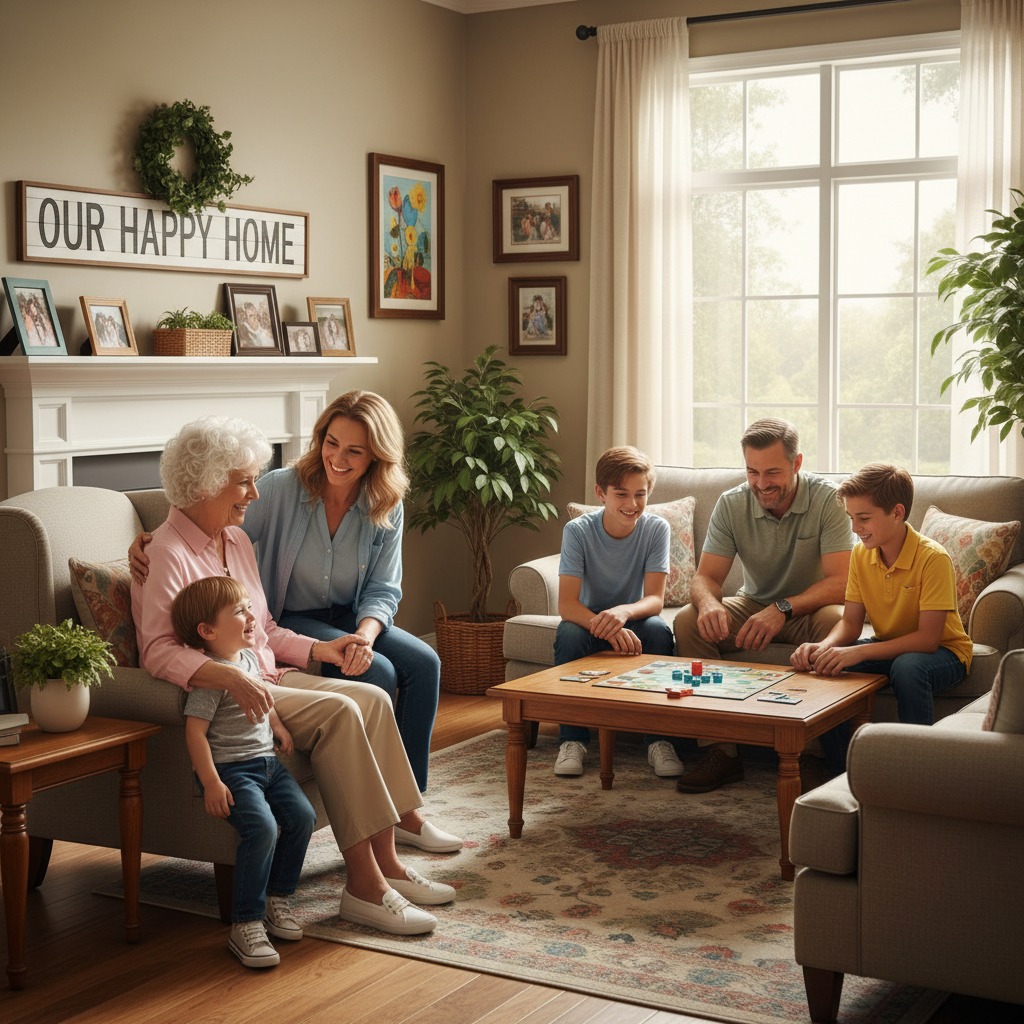

Geriatric Environmental Assessment
One in four older adults falls each year. We help address the leading causes of preventable injury and depression among Americans aged 65 and older. We do not diagnose medical conditions, prescribe medications, or perform environmental testing that requires a professional license (e.g., asbestos abatement, structural engineering). We help you find resources or solutions to your needs and concerns inhibiting you from living your best life. We know you want to stay in your home, and we are not there to get you to leave. We do not help with placements outside of the home.
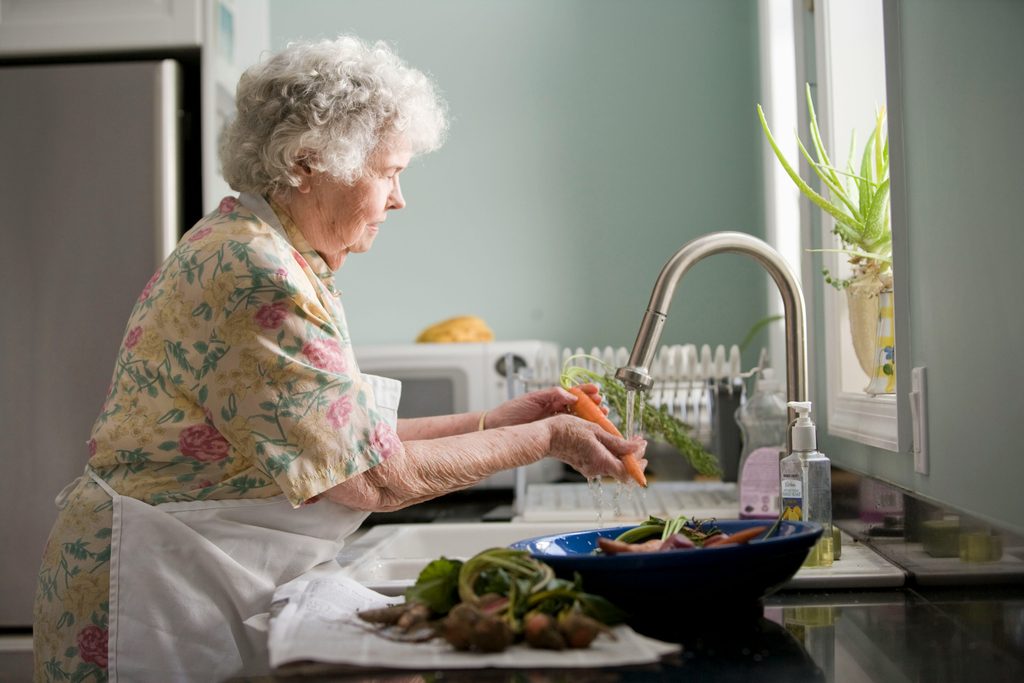

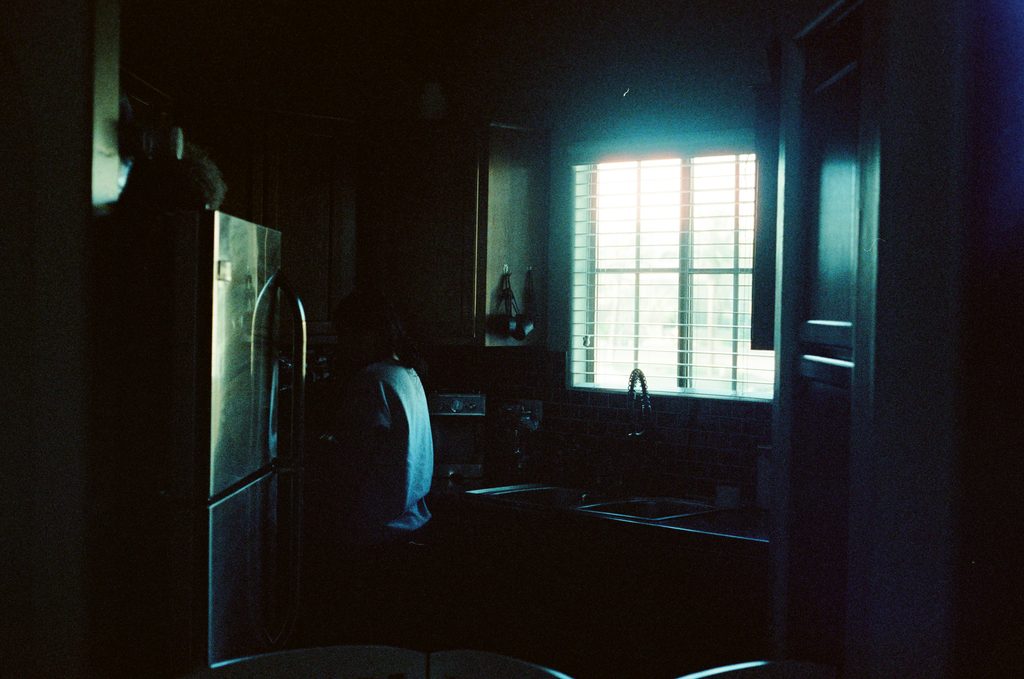
Proprioceptive Deficits
Reduced ability to sense the position, location, orientation, and movement of one’s body.

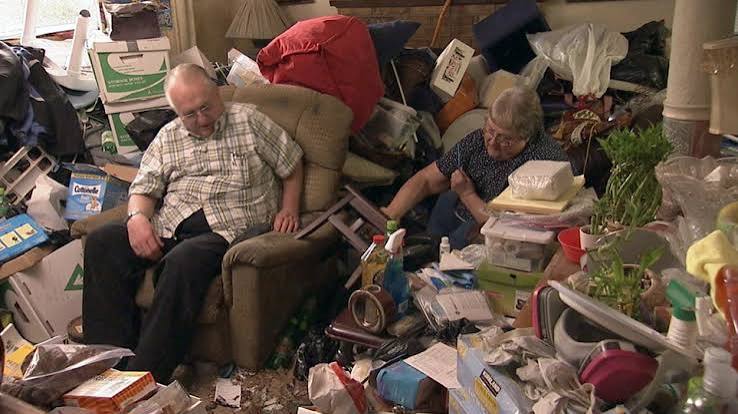
Self-Neglect
When one is unable to meet their own needs for daily living and safety due to cognitive or physical impairments. Resources may be available to continue independent living at home!

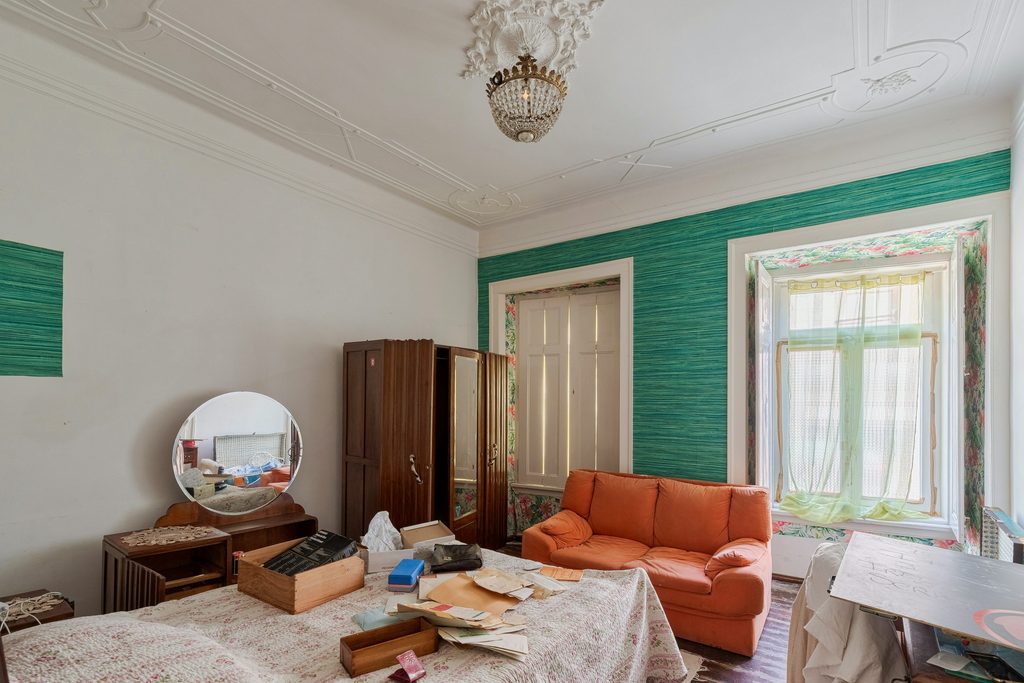
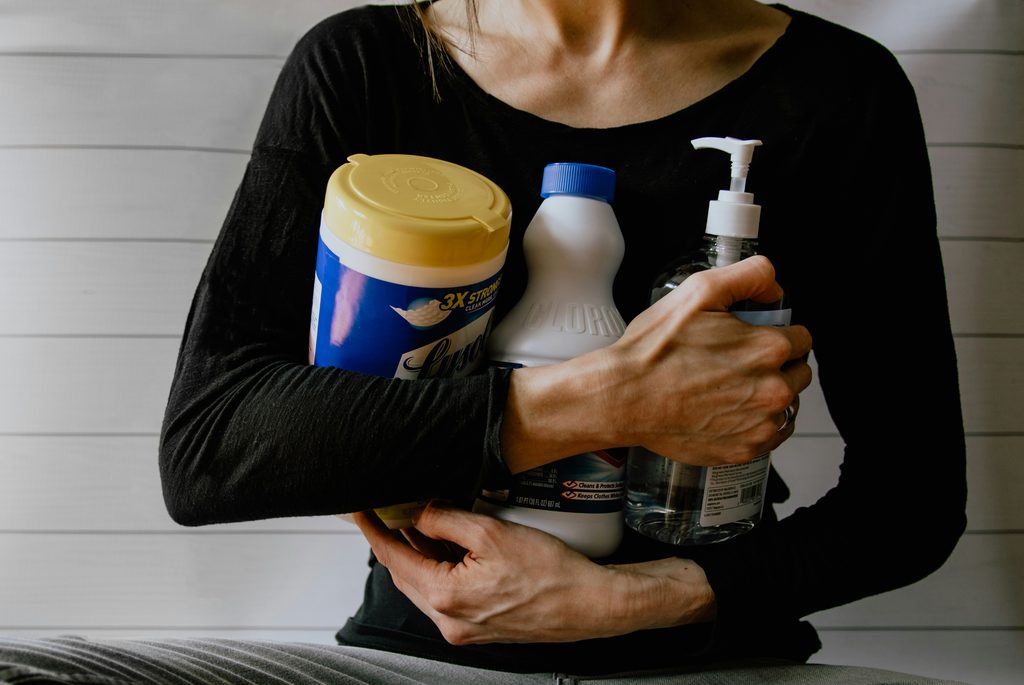
Environmental Hazards
A sweep of the house for hazards, medications, chemicals, expired foods, and other safety hazards can make the home more manageable.
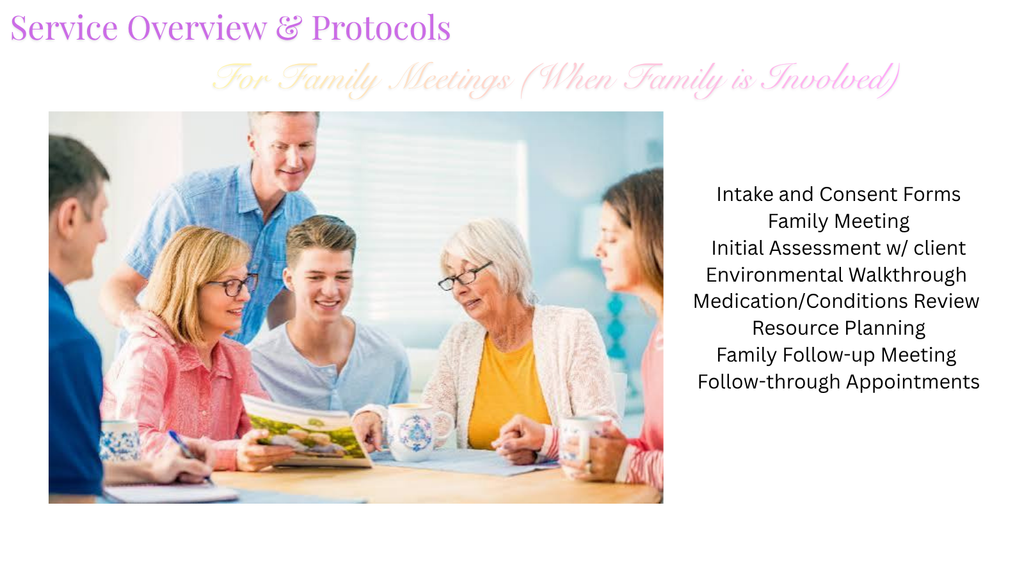

Client Consent & Scope Disclaimer Clause
“The services provided by the Geriatric Health Coach constitute non-clinical organizational, educational, and environmental consulting. The Coach is not acting as a licensed medical prescriber, pharmacist, or structural engineer. The client’s attending physician or dispensing pharmacist must verify all medication documentation before they alter any regimen. Home safety recommendations are designed to mitigate risk and do not guarantee the prevention of all accidents or falls.“